
APRIL
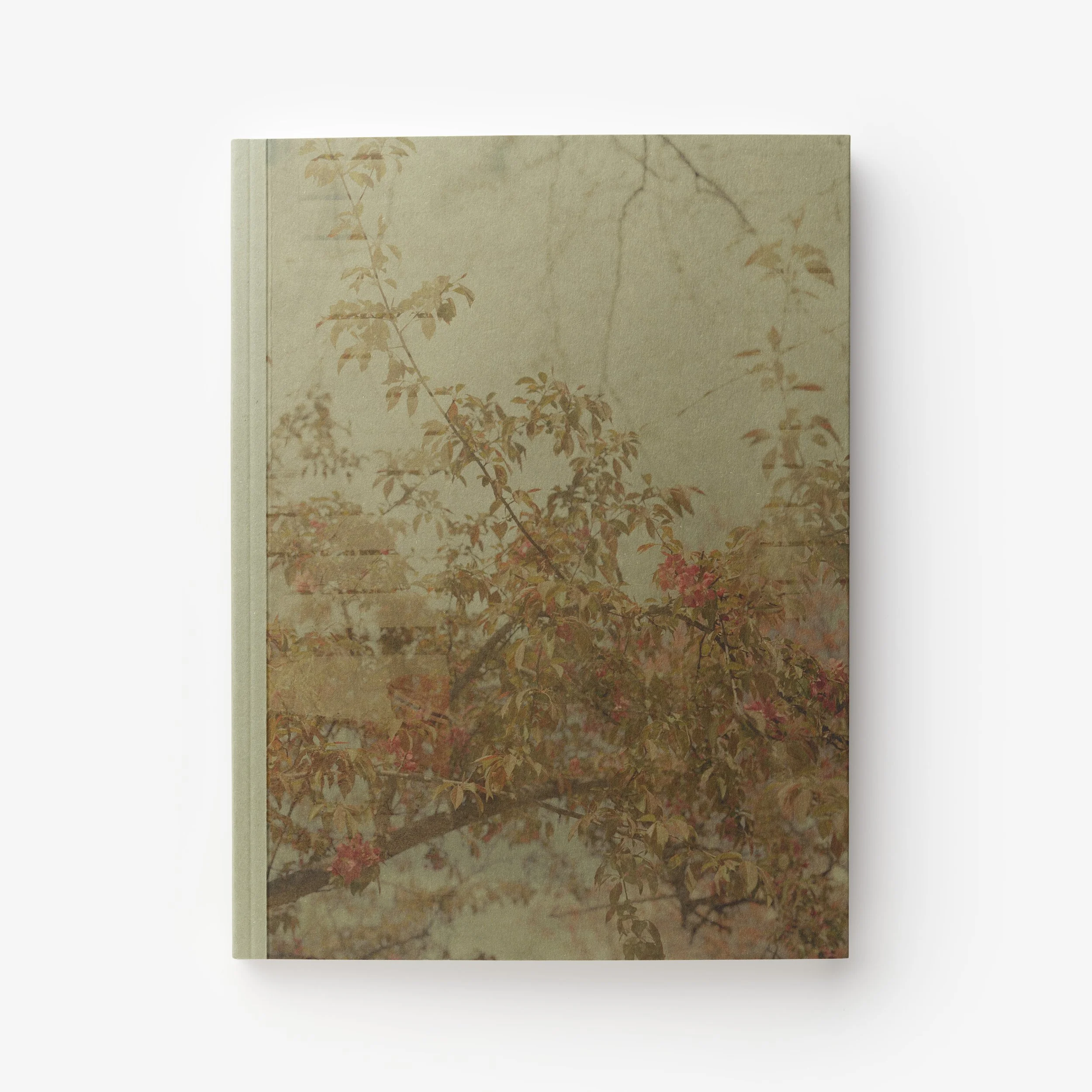

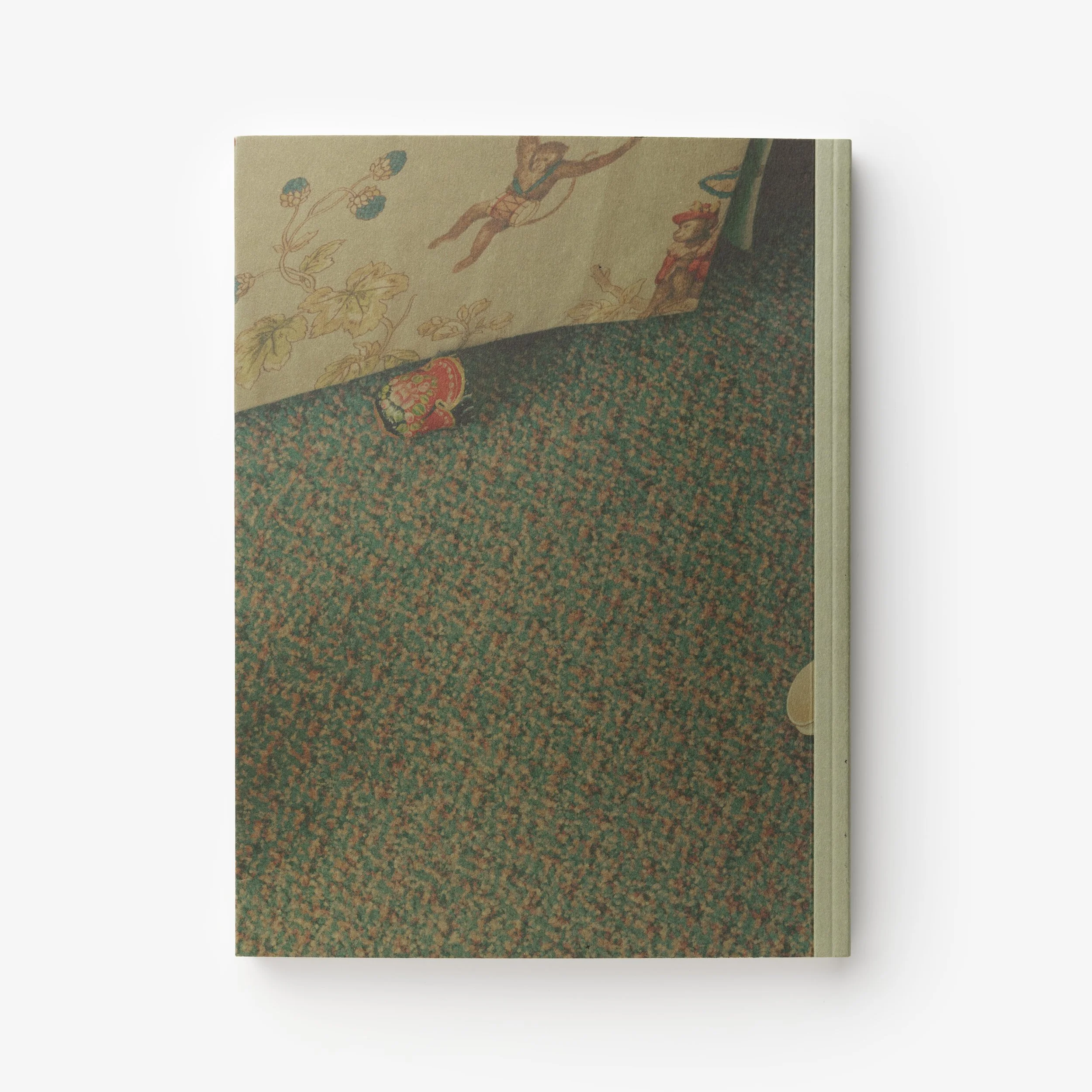
APRIL
By Ilisa Katz Rissman
Book Details:
OTA bound
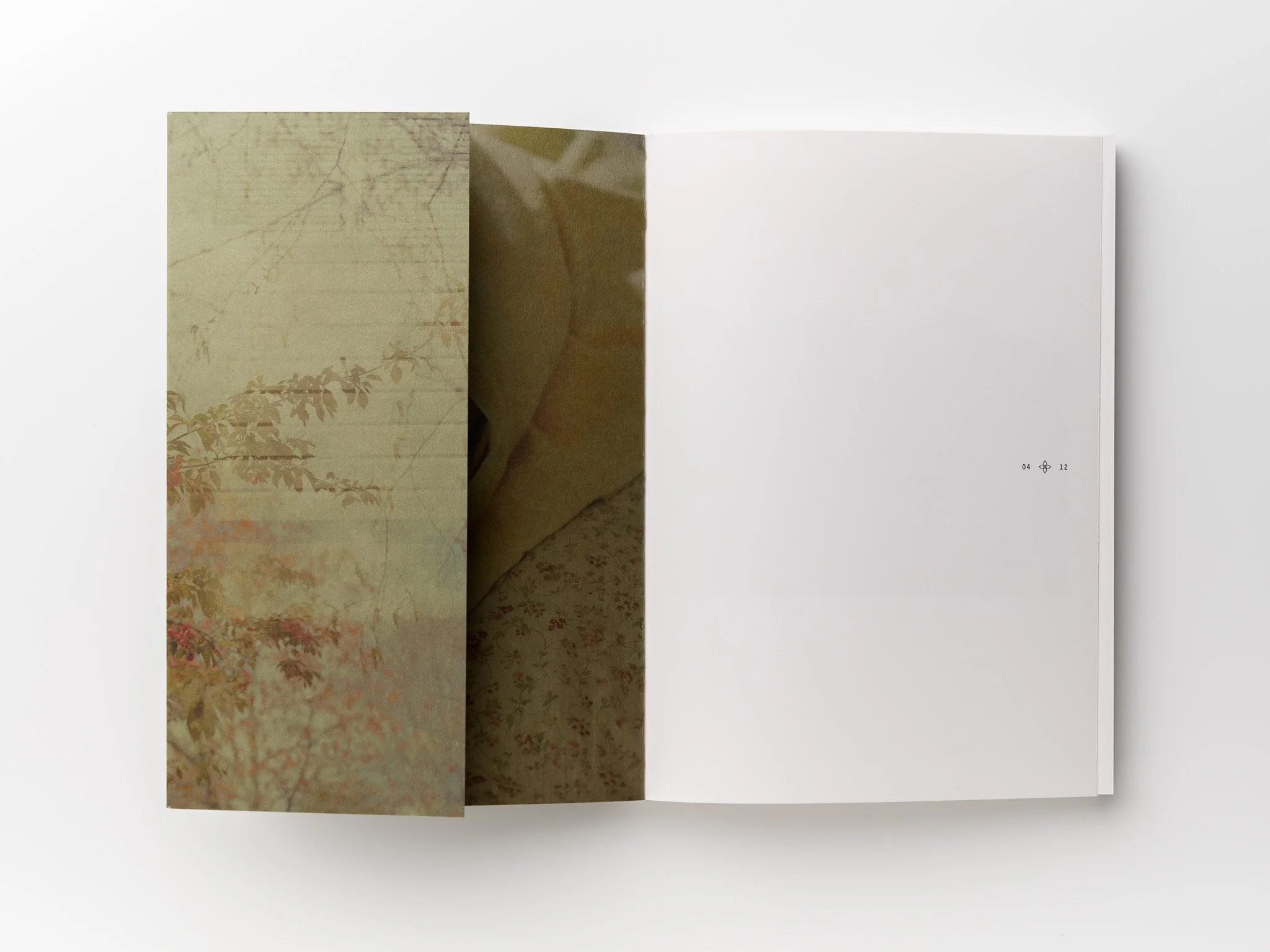
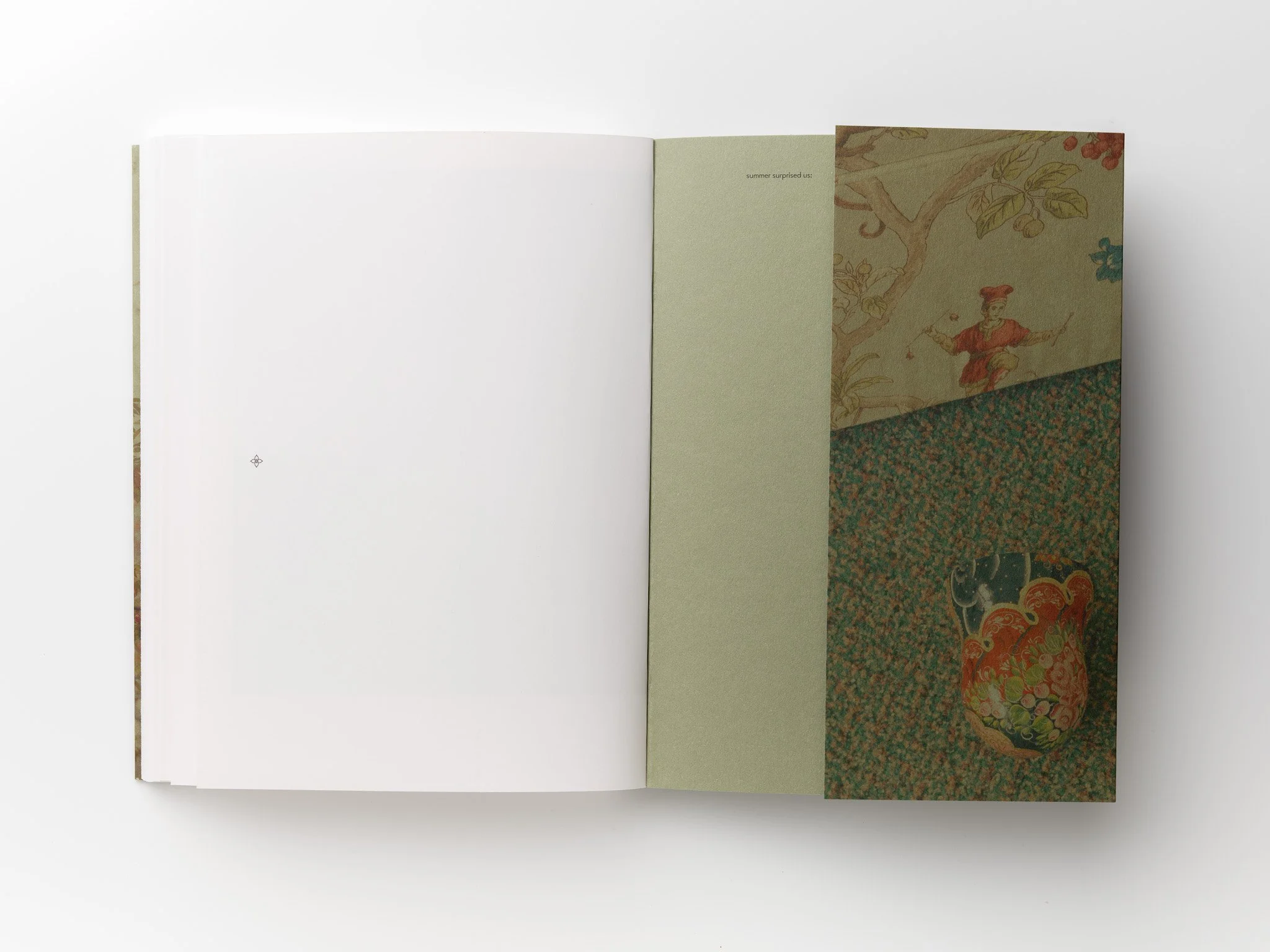
Soft cover with double gate folds
160 Pages
750 copies
20.5 × 27.5 cm
ISBN: 978-1-7376814-9-6
Designed by Alexander Paterson-Jones
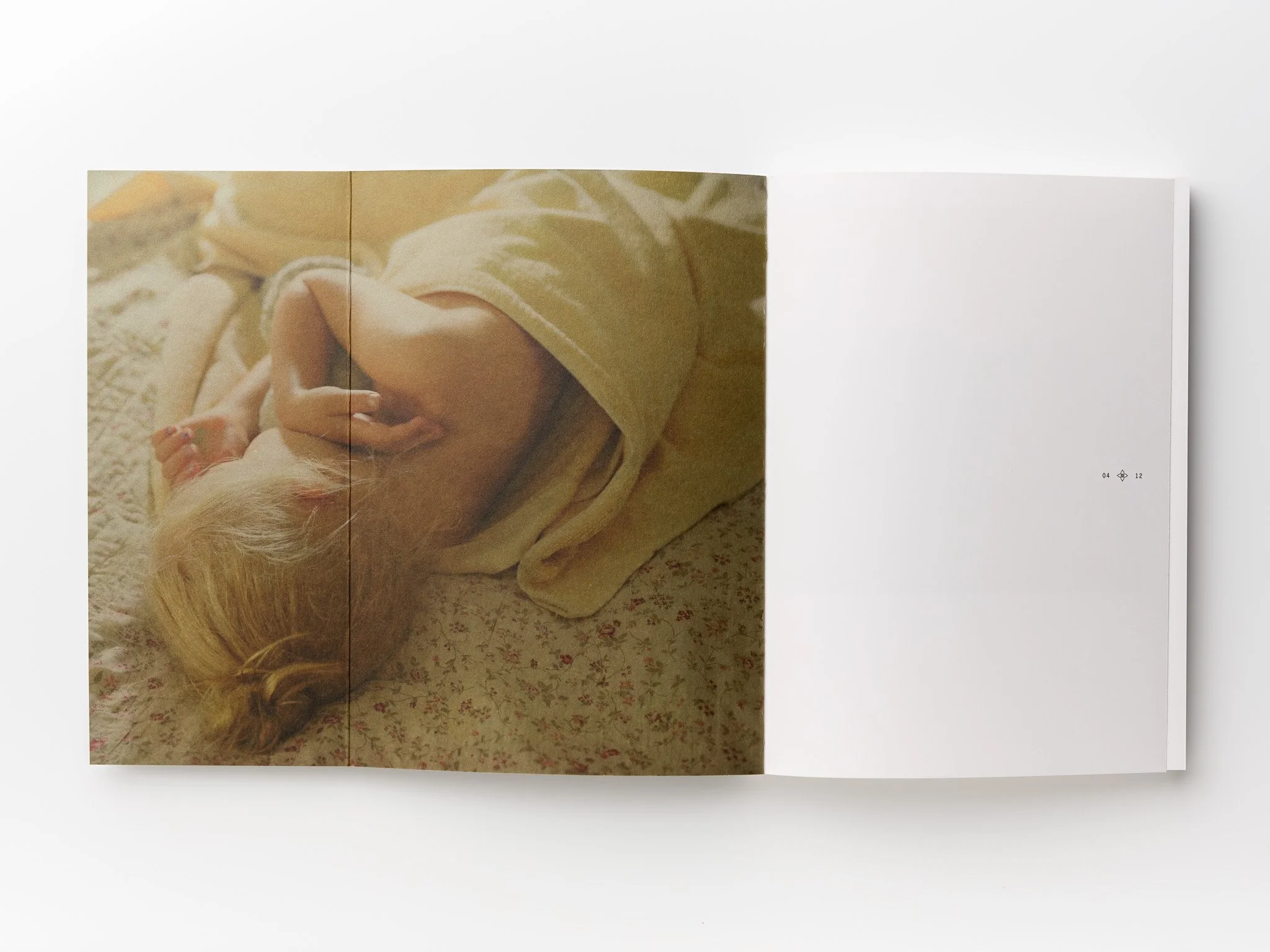
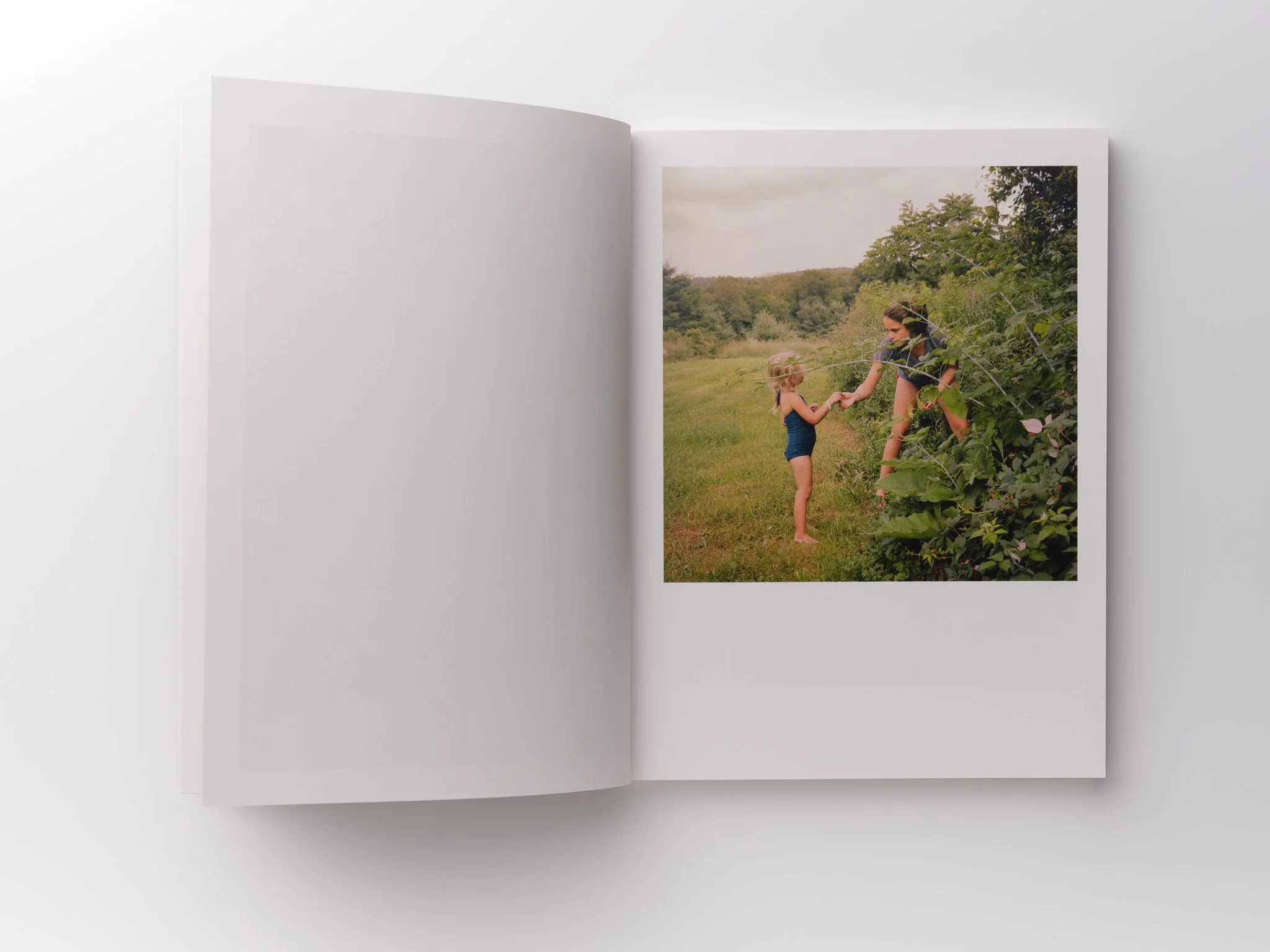
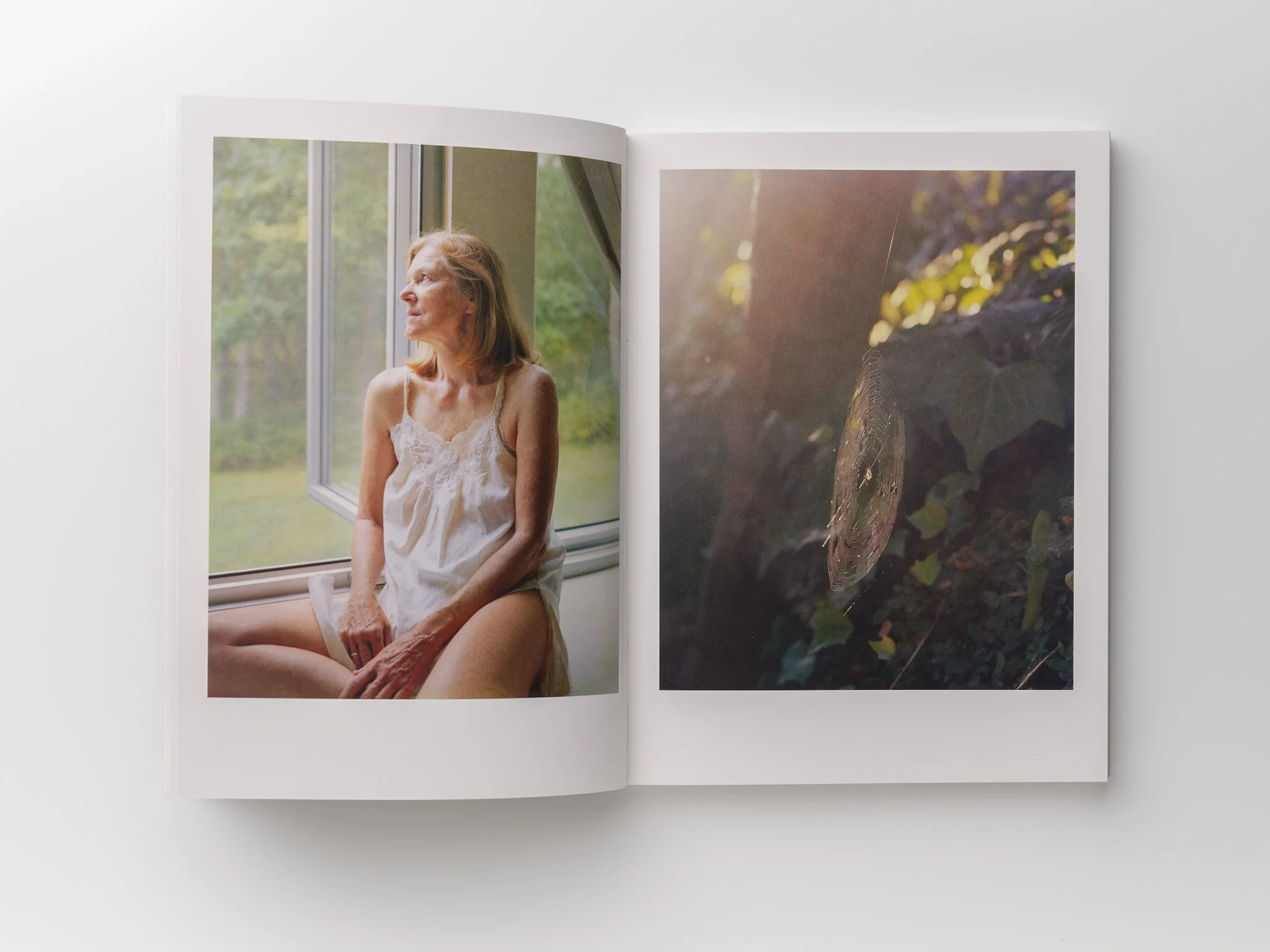
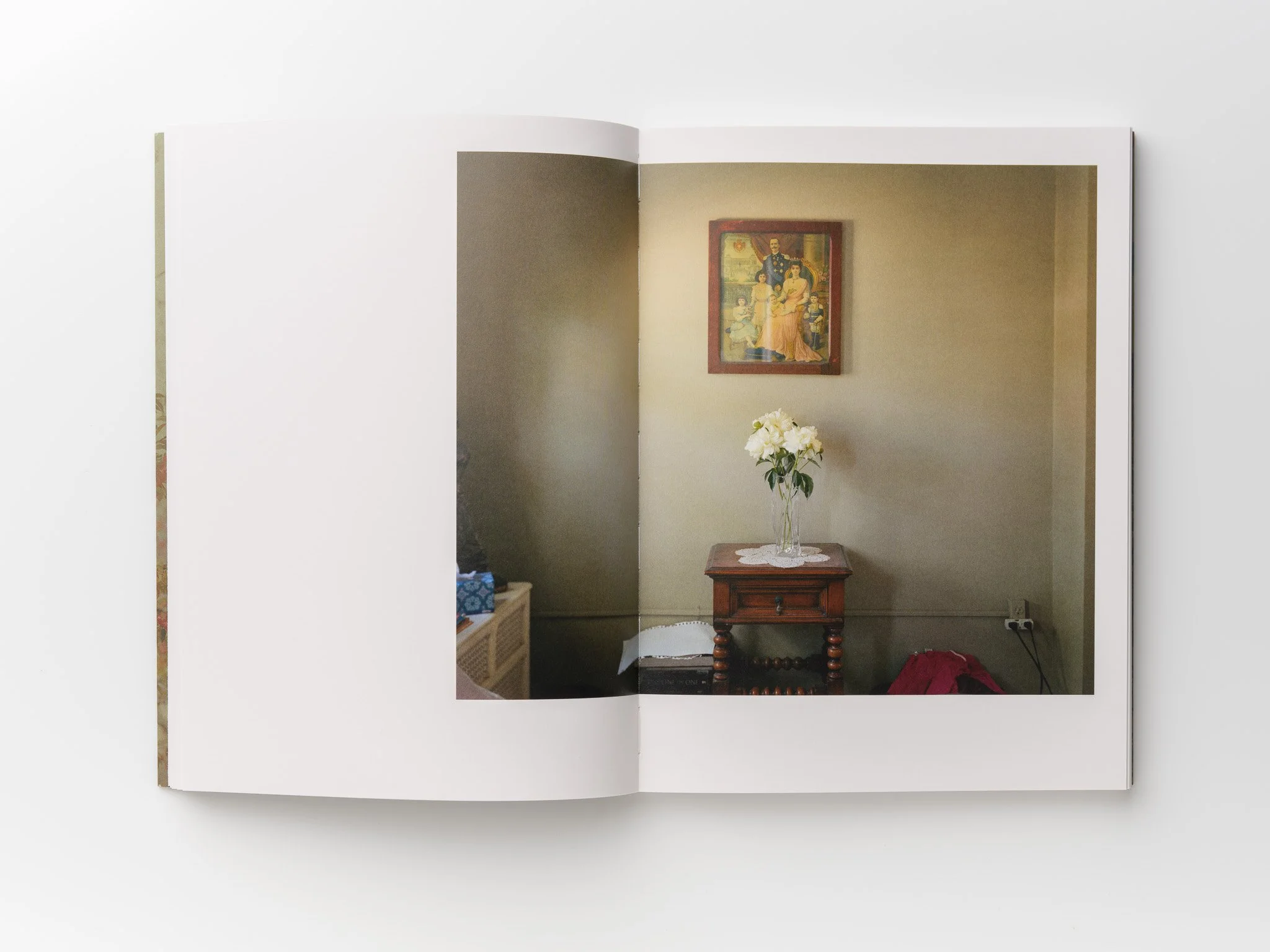
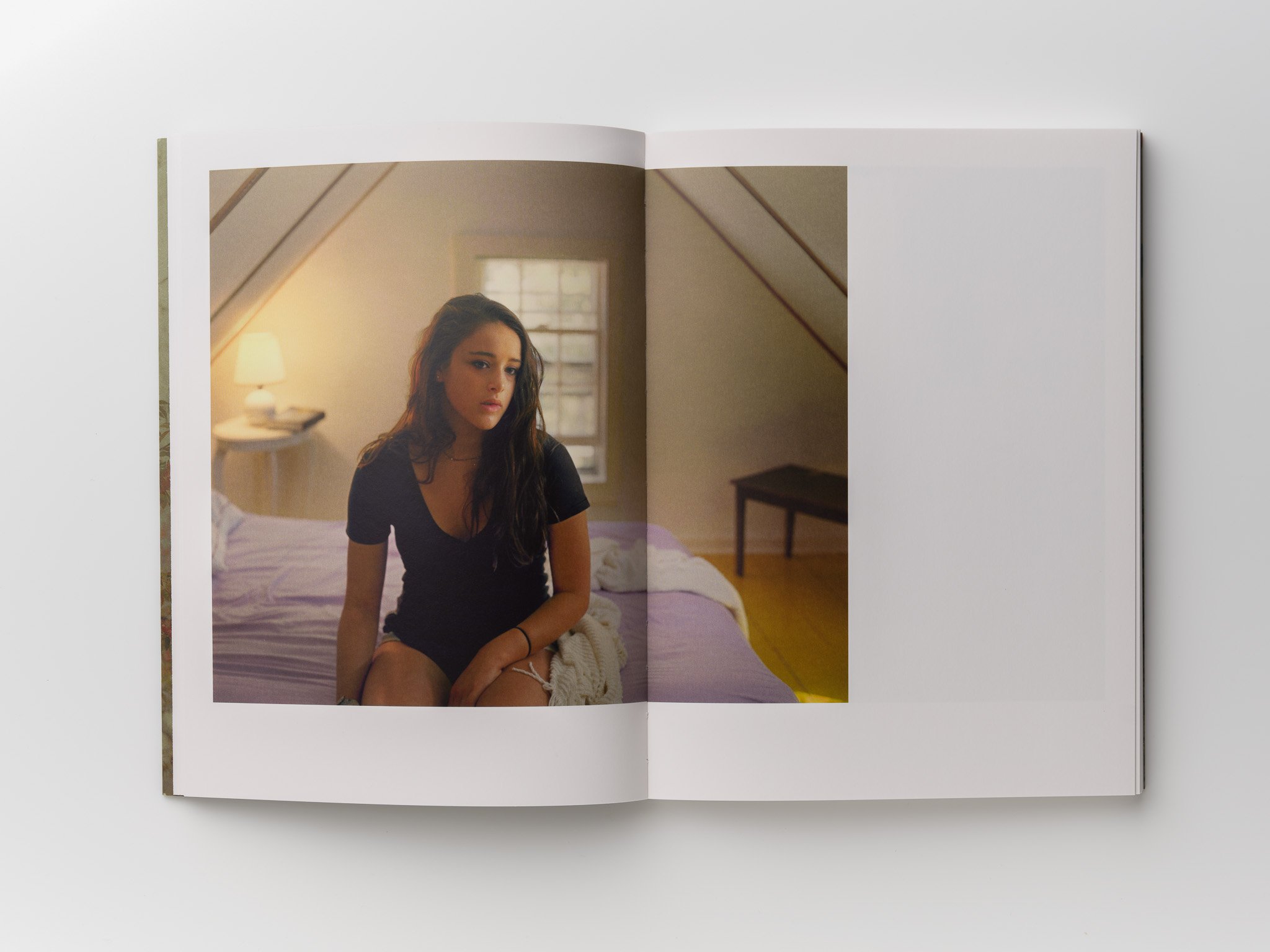
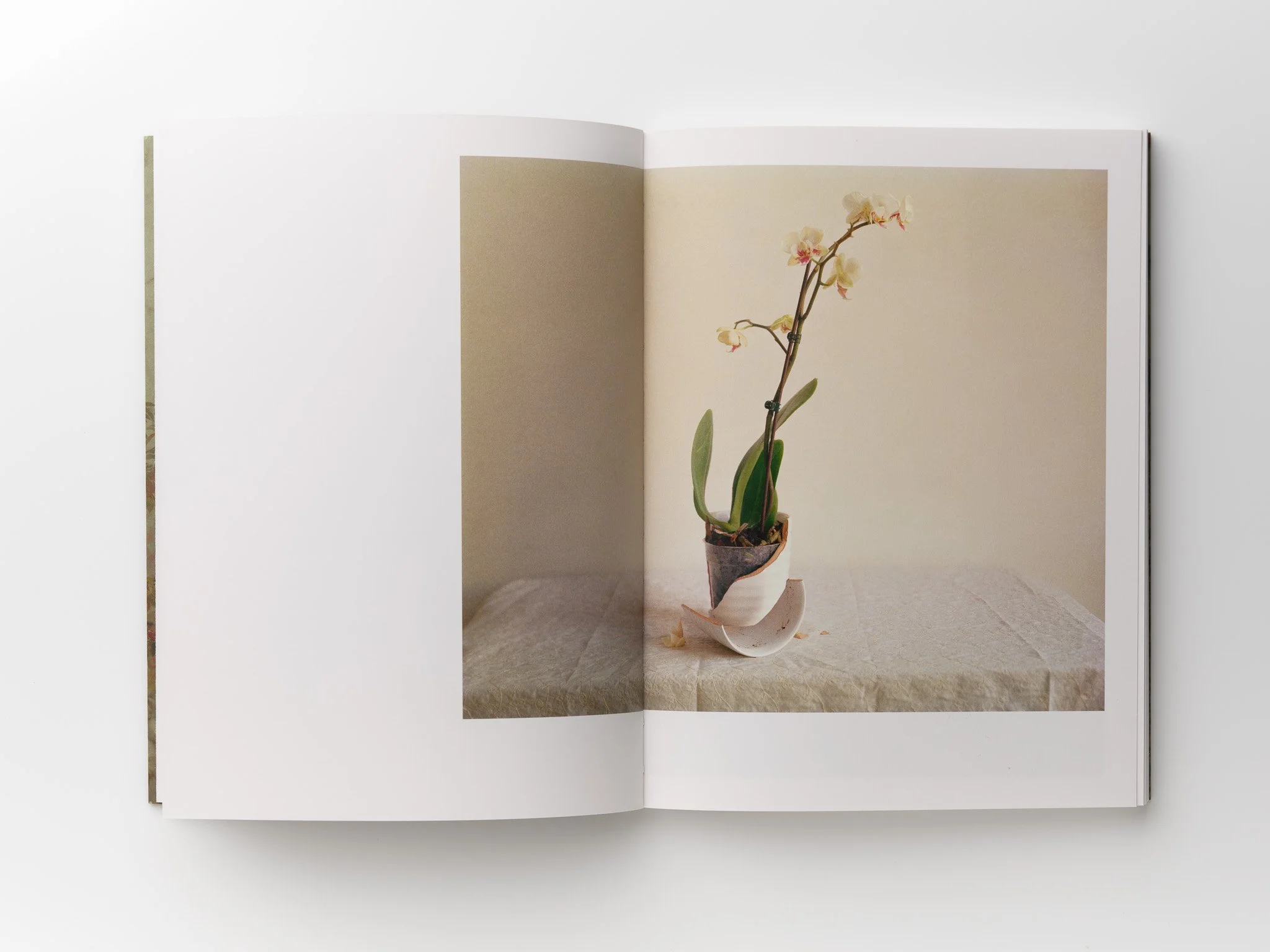
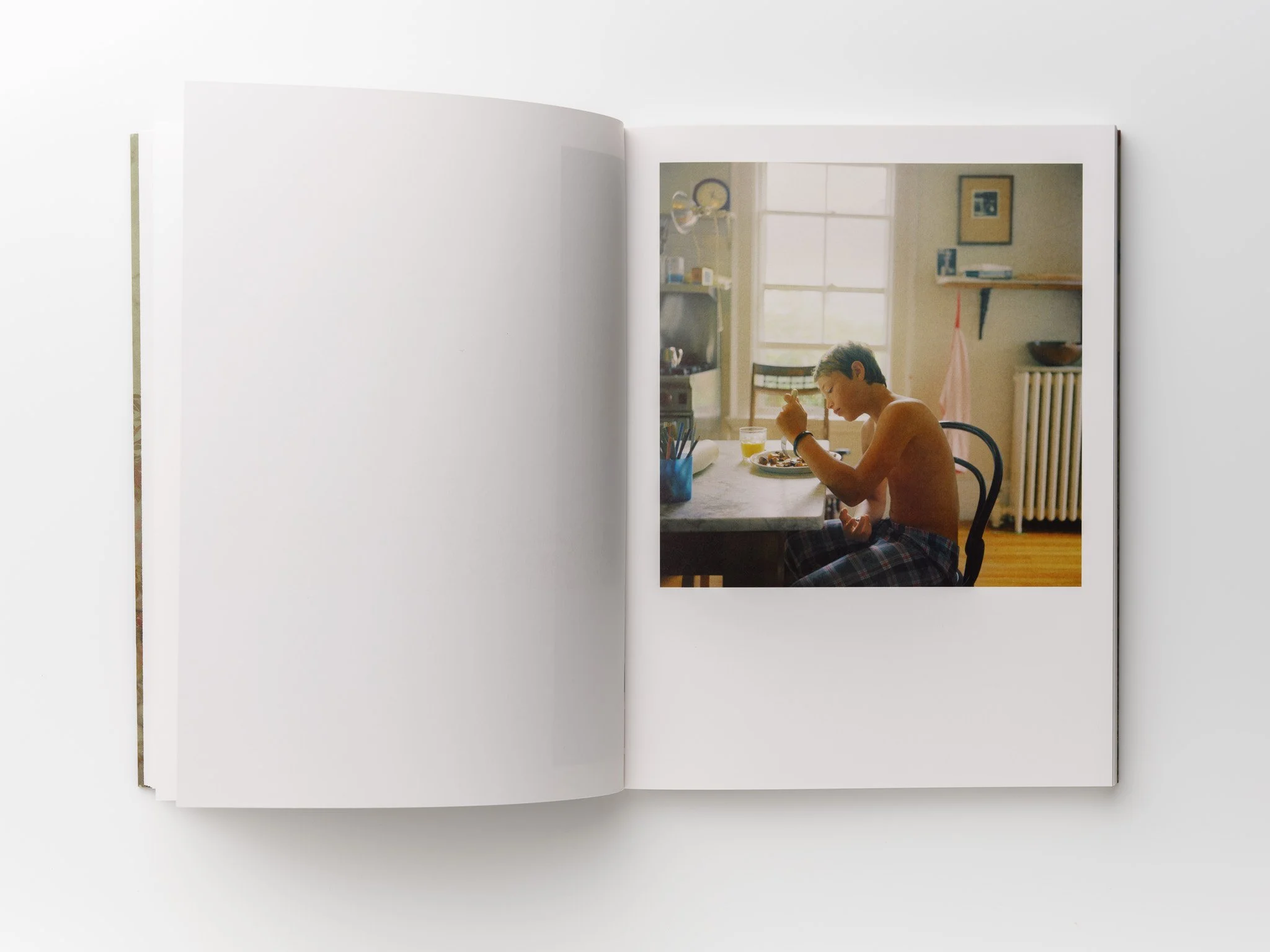
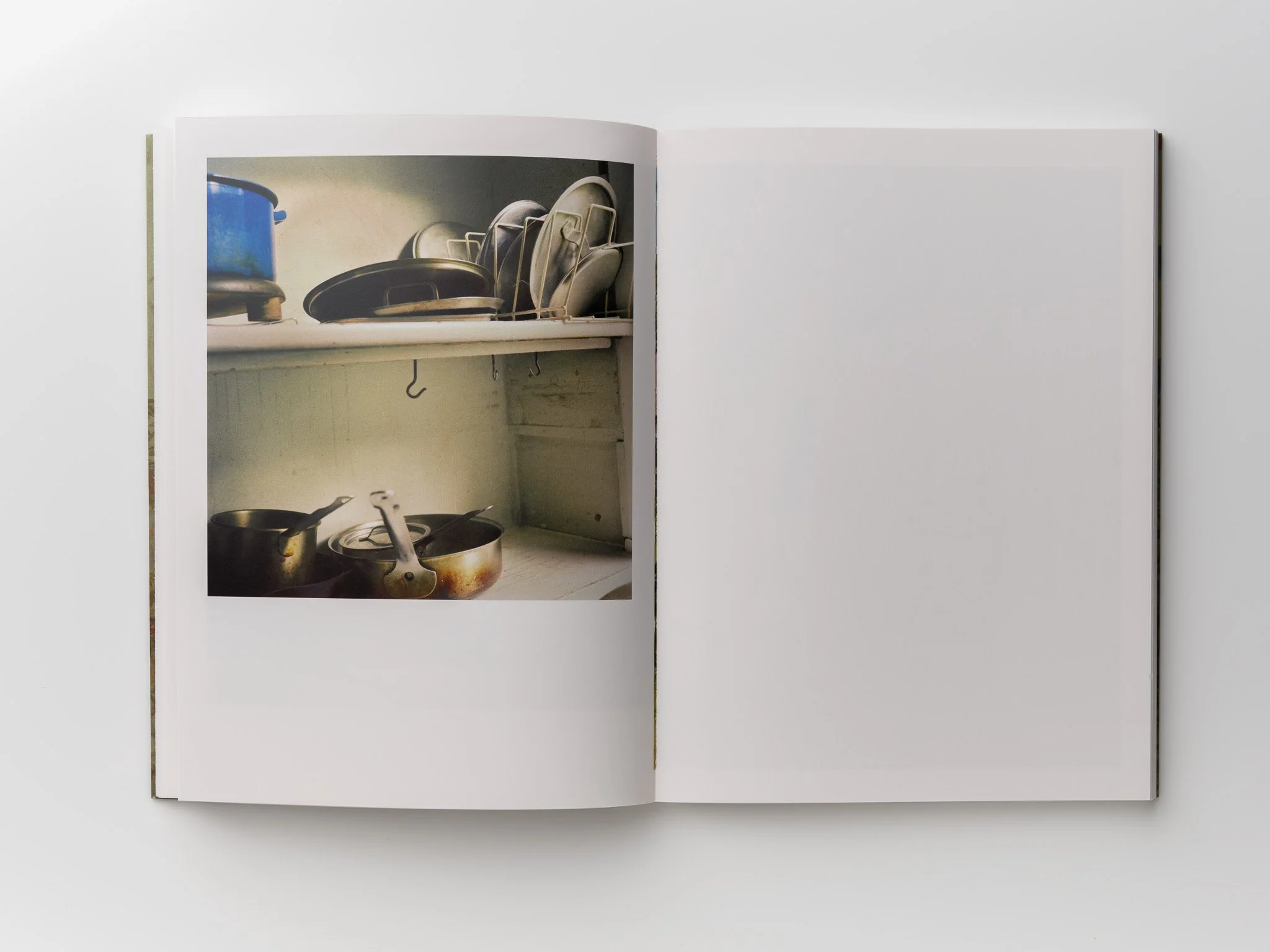
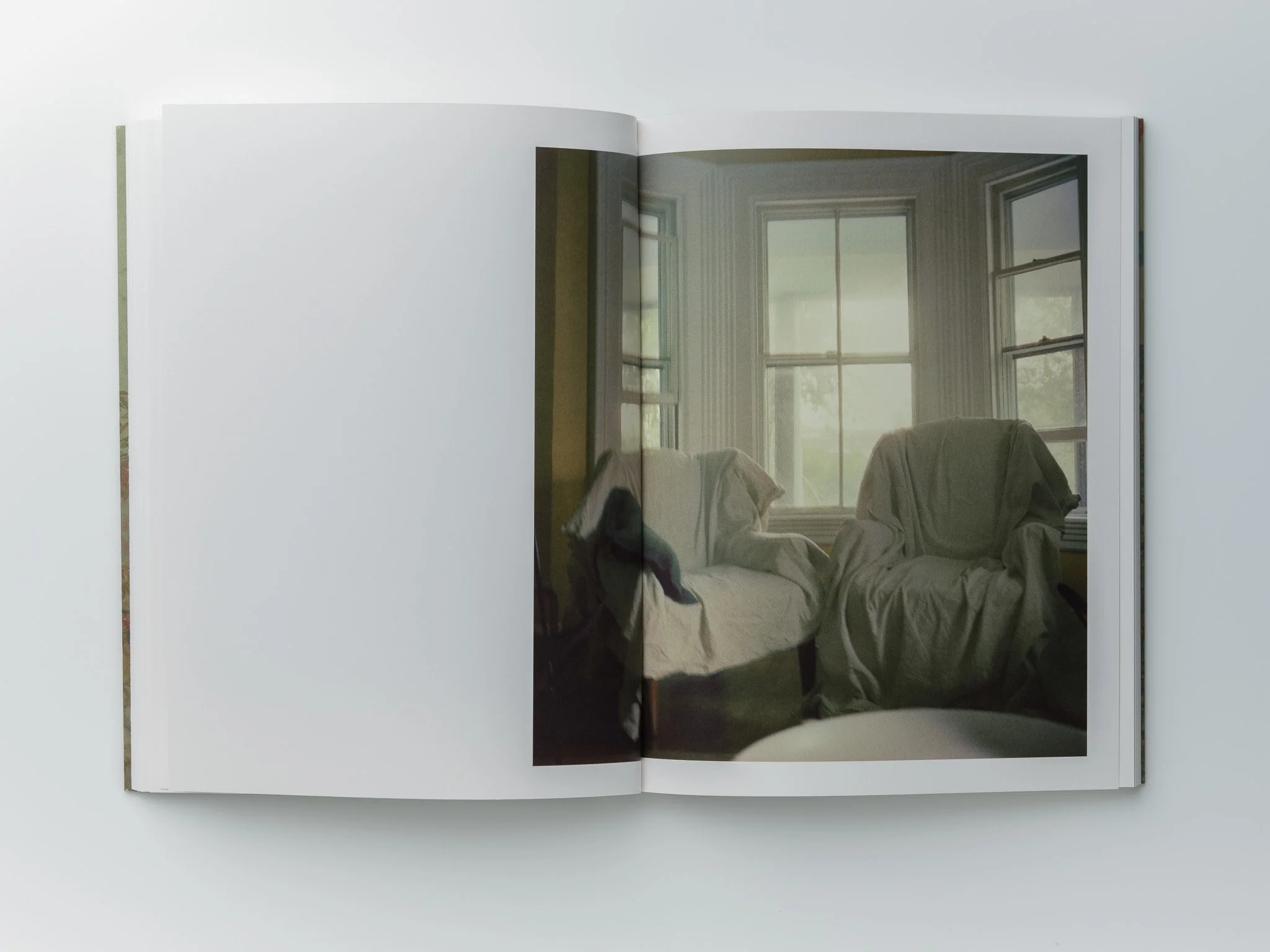
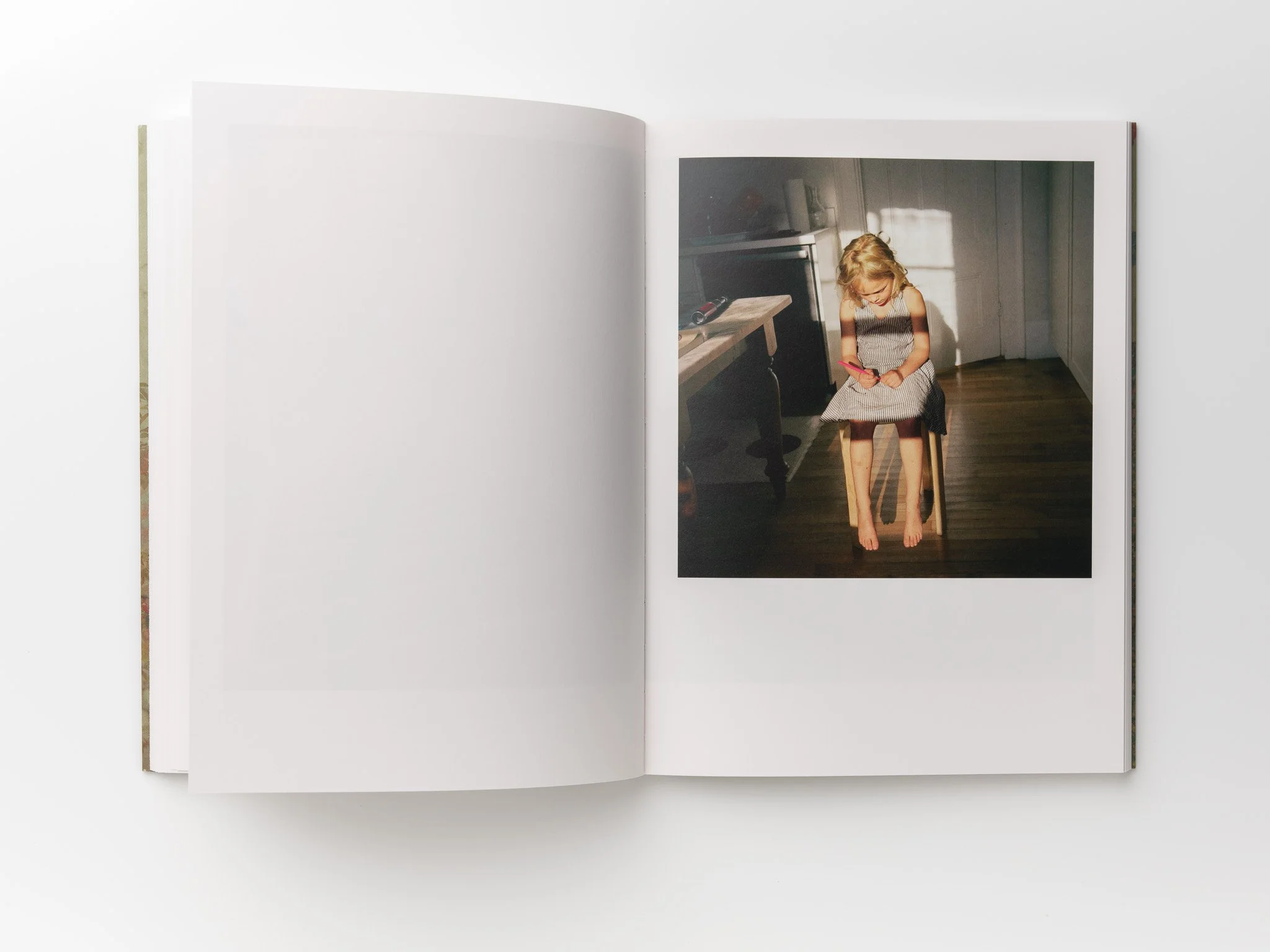
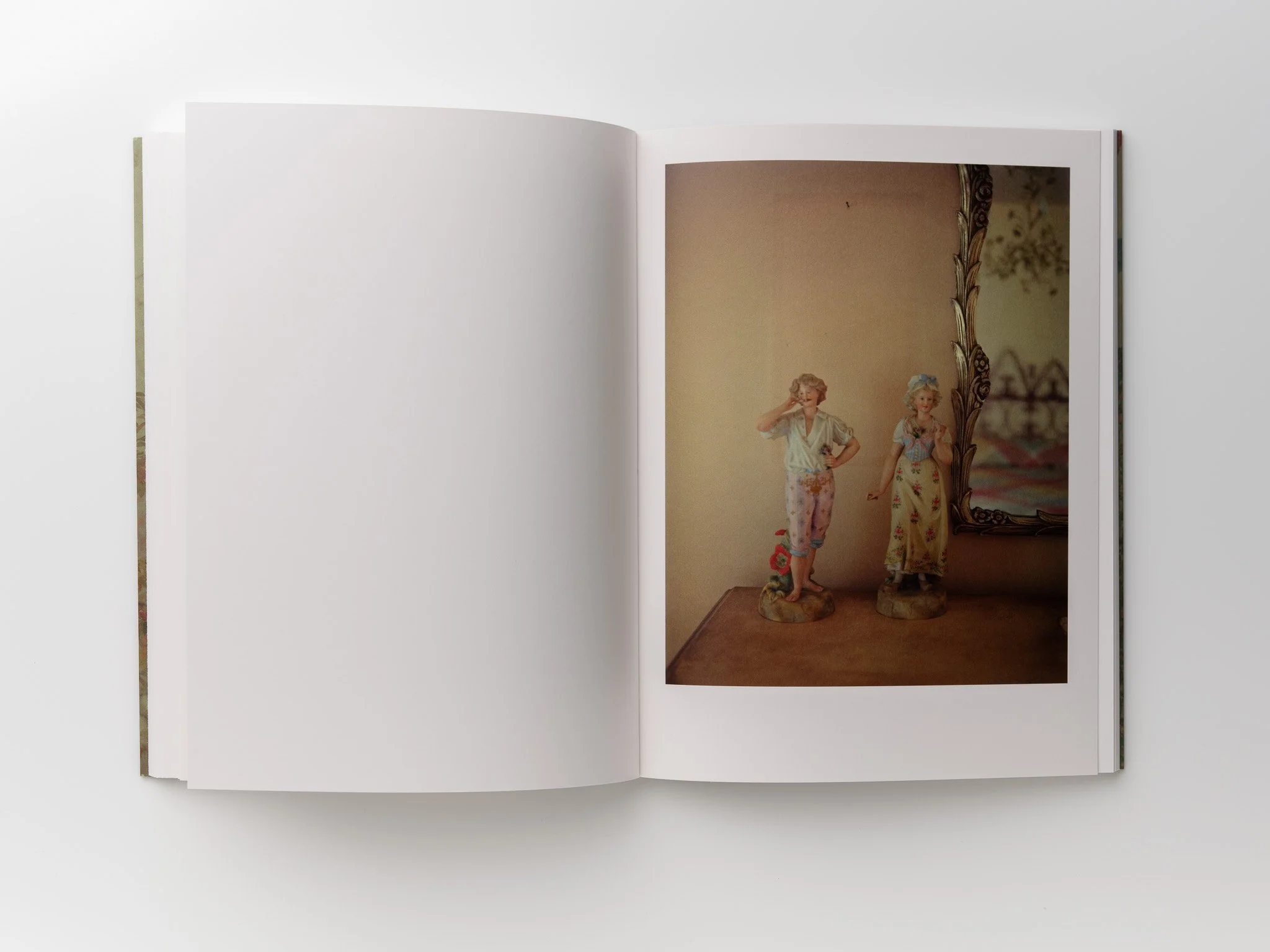
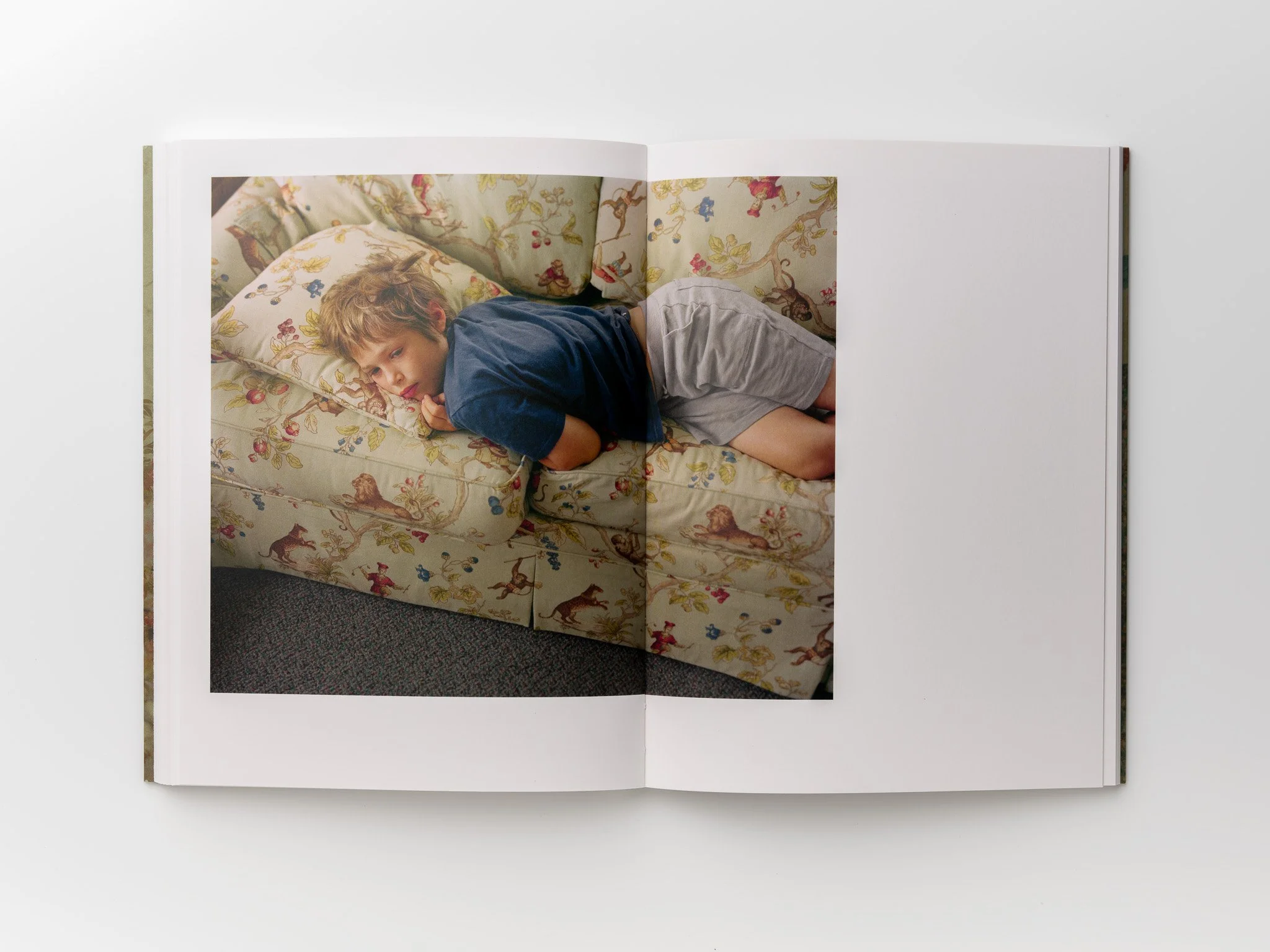
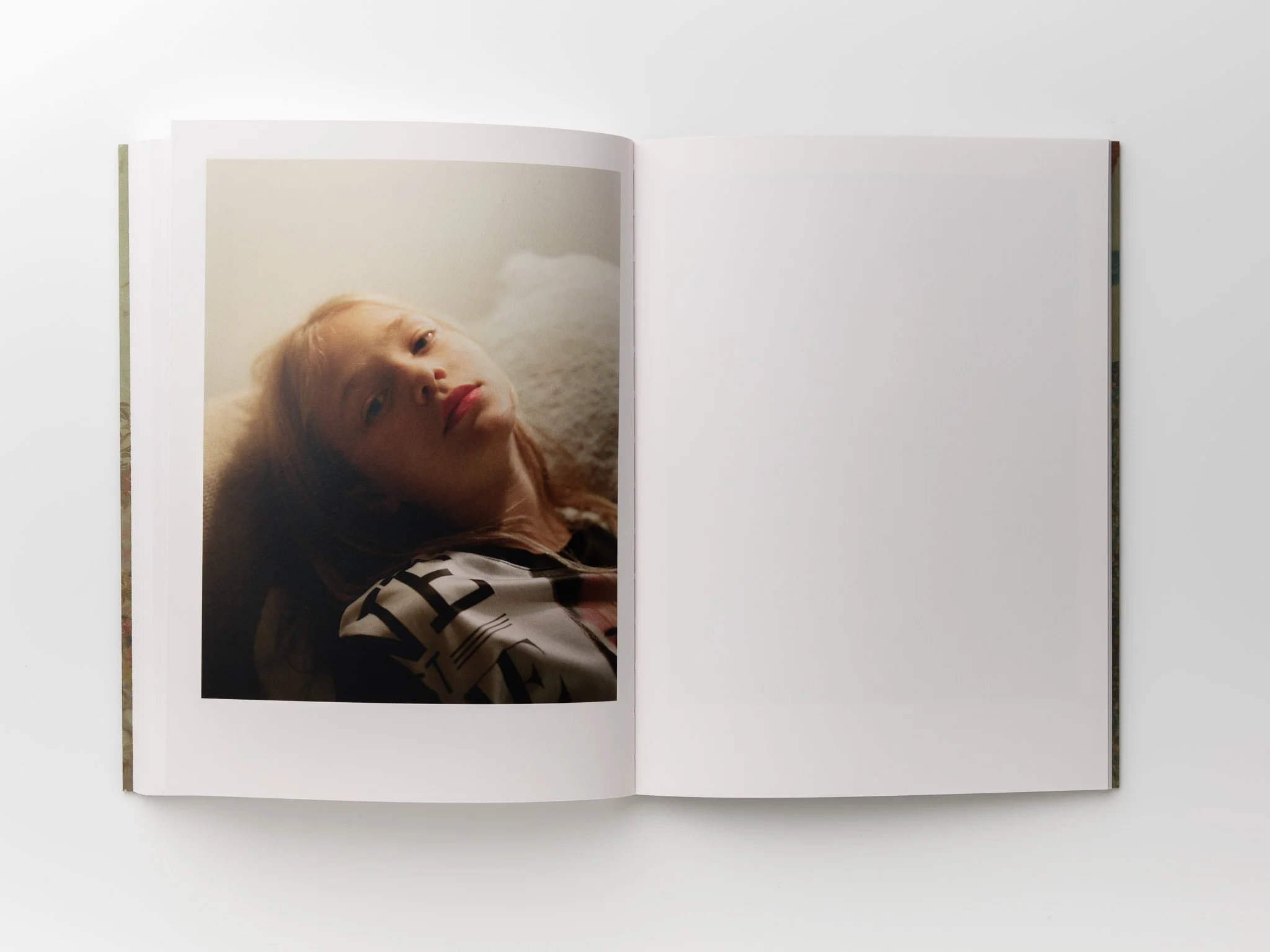
In APRIL, Ilisa Katz Rissman’s first book, she invites the reader to inhabit the longing for an unrealized dream of an intact family, re-imagined from the perspective of her older self. Through intimate portraits of women and children taken at different stages of life, vivid moments of stillness, fragments of text, and carefully composed spaces, Rissman creates an experiential language for her complex and shifting relationship with loss. Of APRIL, New Yorker editor Giada De Agostinis wrote, “The way she captures light becomes a personal quest and a visual endeavor at the same time, collapsing notions of time and space.”
Of APRIL, Rissman writes: “I photographed my children (and others) over several years in rental homes we pretended were our own. Living among their possessions felt as if we were granted permission to inhabit their seemingly perfect lives. These homes became vessels where we could play out our daily rituals, unburdened by the outside world. Here, time slowed, and light became our timepiece. I spent sleepless nights creeping around until dawn, desperately wanting to hold my children in the quiet stillness of these imagined safe spaces. Did I somehow believe I could protect their innocence? The impossibility of this may be obvious, yet with this work, I could pretend. Marriage and motherhood became stories I invented. The ghosts of those I’ve lost move through the shifting timeline. They are always present, gifting psychic connections and reminding me to embrace our only certainty: absence."
Rissman’s photography has been exhibited at the Brooklyn Museum, Galerie Huit Arles, and the Berlin Foto Biennale. Her award-winning work has been featured and reviewed in publications including The Wall Street Journal, Feature Shoot and Slate. After receiving a BA from Boston College, Rissman studied photography and film at ArtCenter College of Design and is currently developing two projects that are thematically connected to APRIL through distinct formal approaches. She lives in Brooklyn with her two daughters.
Designer Statement:
Is the naked page an image in and of itself? Is absence actually a kind of presence? Silence, some noise just beyond us? How else can we reconcile nothing without giving it a name? Frankly speaking, APRIL is a book about grief. I say this not to constrict this body of work into a term Webster’s Dictionary has only allotted eleven words, but to indicate how Ilisa Katz Rissman expands that definition.
Upon first glance the intimate pictures illustrate something innocent and nostalgic, but there is a quiet uneasiness in their disobedience of time. The characters age and rejuvenate; they get closer and further away. Ilisa paces her house of memory, repaints its walls, makes its beds, all with the tact only a mother has. Botanical motifs surround this story: drooping orchids, lilac chapter markers, the patterns of ruffled sheets and tablecloths. The images and their respective negative spaces remind us of our own deciduous nature.
Throughout the first five chapters our proximity allows only sight — we know just enough for naivety to keep us warm. “She sits across from the woman, almost free,” whispers a voice in the final chapter. Almost… just beyond… unable to fully reach… the haunting amalgamation of shortcomings reveals our true position. This does not mean the work lacks hope or solace. It doesn’t tell us that we are wrong or that we must suffer. It only suggests we look. -A.P.J.